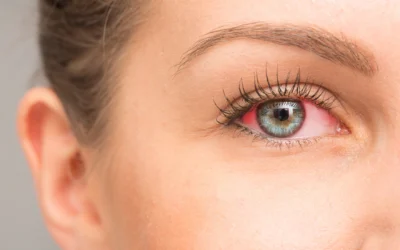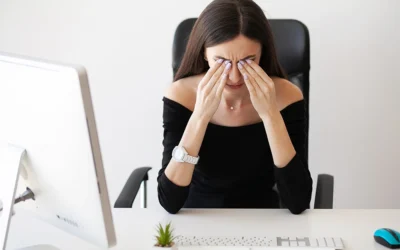

If you’re frequently squinting at your phone, wincing in bright grocery store aisles, or dreading headlights when driving at night, you might be experiencing light sensitivity. The symptoms can feel like they appeared out of nowhere. One day you’re fine, and the next you’re closing curtains and wearing sunglasses indoors. That jump can be unsettling, especially if your eyes feel “normal” otherwise. In this blog we’ll discuss the causes of sudden sensitivity, what you can do to feel better, and when it’s worth getting your eyes checked at SIGHT in West Hartford.
What “sudden light sensitivity” can feel like day to day
People experiencing light sensitivity, or photophobia, describe symptoms like:
- Bright screens feel harsh, even on low brightness
- Sunlight seems “too white” or intense
- Headlights or LED signs cause discomfort or glare
- You get watery eyes, squinting, or brow tension quickly
- You avoid driving at night or going outside midday
- Your eyes feel extremely sensitive even though they don’t look red
You might also hear this discomfort called photosensitivity, which is used to describe increased sensitivity to light from a variety of causes.
Why your eyes might suddenly become extremely sensitive
A sudden shift usually means something changed—your eye surface, your visual system, your health, or your environment. Here are some of the most common culprits:
Dry or irritated eyes
For many patients, dry eyes can show up as burning, fluctuating blur, or light that feels too bright. If the tear film isn’t smooth, light scatters more, and your eyes work harder to stay comfortable.
Allergies and inflammation
Seasonal allergies can make your eyes itchy and watery, but they can also make them feel more reactive to light. Inflammation on the surface of the eye can heighten sensitivity, especially during high pollen days or after rubbing your eyes.
Migraines and headache conditions
For many people, photophobia is tightly linked to migraines—even before a headache fully hits. Light sensitivity that comes with nausea, visual aura, or head pressure deserves attention, especially if it’s new.
Eye infections or injuries
A scratch on your cornea, a small foreign body, or early infection can make light feel unbearable. These cases often include pain, tearing, or feeling that something is in your eye.
Inflammation inside the eye
Conditions like uveitis/iritis can cause real light pain and may come with redness and blurred vision. If you’re experiencing consistent discomfort, it may be time to visit a doctor as some causes need prompt treatment.
Quick ways to find relief for light sensitivity
These aren’t a replacement for an exam, but they can reduce discomfort while you figure out what’s going on:
- Lower screen brightness and use warm/night mode
- Follow the 20-20-20 habit (every 20 minutes, look 20 feet away for 20 seconds)
- Use preservative-free artificial tears if your eyes feel gritty or strained
- Wear quality sunglasses outdoors (100% UV protection)
- Try a brimmed hat for overhead glare
- Avoid rubbing your eyes, especially during allergy season
If your eyes are extremely sensitive, skip “get-used-to-it” strategies that force exposure. Comfort matters—and your eyes often calm faster when irritation is addressed.
When to schedule an eye exam
If light sensitivity is new, worsening, or interfering with driving, work, or sleep, an eye exam is a smart move. Some symptoms can indicate a more serious issue, which should be examined right away. Schedule promptly (or seek urgent evaluation) if you notice:
- Sudden vision loss or a curtain/shadow in vision
- Severe eye pain, especially with nausea
- Marked redness with light pain
- New flashes, many floaters, or significant blur
- Recent eye injury or chemical exposure
Clearer, calmer days ahead: get answers and feel comfortable again
Light sensitivity can shrink your world fast, whether you’re driving less, squinting through errands, avoiding screens, bracing for sunlight. If you’re dealing with photophobia or ongoing photosensitivity, we can pinpoint the cause and build a plan that fits your routines.
Schedule an appointment with SIGHT in West Hartford, CT to evaluate your symptoms and get personalized treatment options.