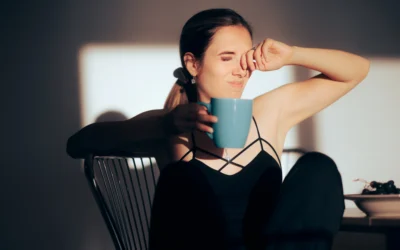

Do you find yourself squinting at your computer, rubbing your eyes from constant strain, or feeling off balance after a long day? Many people assume migraines, light sensitivity, or dizziness are just part of a busy lifestyle, but these symptoms can be linked to how your eyes and brain work together.
In this blog, we’ll cover how vision issues can contribute to dizziness and imbalance. We’ll also share what treatments can help you feel steady and comfortable, including Neurolens and vision therapy.
How your eyes affect balance
Your eyes send constant information to your brain about where your body is in space. If your eyes aren’t properly aligned, your brain may receive conflicting signals, leading to dizziness, unsteady walking, or a sensation that the room is spinning. Even small eye misalignments can cause significant discomfort over time.
Vision problems that affect balance can include eye strain, convergence issues, and eye misalignment. Our experienced eye doctors can evaluate your symptoms during a functional eye exam and determine the best treatment.
Common symptoms linked to eye misalignment
Several signs may indicate that your eyes contribute to balance or dizziness problems:
- Frequent headaches or migraines
- Eye strain after reading or using screens
- Sensitivity to light
- Difficulty focusing or tracking moving objects
- Feeling off balance or unsteady when walking or turning
- Motion sickness or nausea
Identifying these symptoms early allows your eye doctor to recommend personalized treatments before the issues worsen.
Treatment options that can help
There are several approaches to address visual causes of dizziness and balance problems:
Neurolens
Neurolens lenses help correct misalignment between the eyes, reducing strain on the visual system. These specialty ophthalmic lenses can improve focus, reduce chronic headaches, and alleviate dizziness caused by binocular vision problems.
Vision therapy
Vision therapy is a structured program of exercises designed to retrain the eyes and brain to work together efficiently. At our Farmington location, SIGHT offers personalized vision therapy to improve coordination, balance, and comfort in daily activities.
Neuro-optometric rehabilitation
For patients recovering from traumatic brain injuries, stroke, multiple sclerosis, Parkinson’s disease, or other neurological conditions, neuro-optometric rehabilitation can address vision-related symptoms that impact balance and daily function. This specialized therapy helps retrain the visual system, improve eye movement control, and restore visual processing skills.
Eyewear and lenses
In addition to Neurolens, customized eyewear and specialty lenses can support your eyes throughout the day, especially if you experience symptoms during screen use, reading, or sports.
Enjoy better balance and comfort every day
Dizziness and balance problems don’t have to control your life. With personalized care and expert treatment, you can improve coordination, reduce headaches, and feel steadier every day.
Schedule a comprehensive eye exam at SIGHT today to see how your eyes could be impacting your balance and learn how to regain comfort and stability.