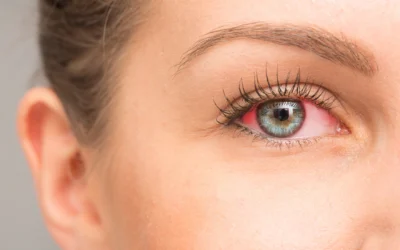

Vision changes often catch people by surprise. You might notice that reading takes more effort, lights feel brighter than usual, or your eyes feel strained at the end of the day. Many adults brush off these early signs, but small changes often signal that your eyes need closer attention.
During a comprehensive eye exam at SIGHT, our experts can help you understand what your symptoms might mean and check for the most common eye diseases. Keep reading to learn about the early signs of eye disease and how timely care supports long-term vision.
Vision changes that require attention
Many people try to ignore vision changes, hoping the problem will go away. However, early symptoms often point to conditions that could benefit from prompt eye disease management.
For example, you might notice:
- Blurry or distorted areas in your vision
- Trouble focusing at different distances
- A sudden increase in floaters
- More difficulty seeing at night
- Frequent eye strain
- Light sensitivity that feels new or stronger
These symptoms may indicate early glaucoma, macular degeneration, diabetic-related eye changes, or structural changes in the cornea or lens. Noticing these signs early gives you a better chance of protecting your vision and avoiding permanent vision loss.
Why blind spots or distorted vision matter
Small blind spots or wavy lines often catch people off guard. These changes can affect your ability to read, drive, or work comfortably.
If you notice straight lines that look curved or text that seems patchy or shadowed, you should see an eye doctor as soon as possible. Conditions such as macular degeneration or optic nerve damage often start with subtle distortion, and early treatment helps slow progression.
Increased floaters or flashes of light
Sudden floaters that look like dark specks or threads, along with flashing lights, deserve fast attention. These symptoms often signal changes in the retina. While not always an emergency, they usually indicate that the retina needs a thorough evaluation from an experienced team of optometrists. Quick care protects your sight and lowers the risk of more serious complications.
Changes in color vision or contrast sensitivity
Colors might start to look dull, faded, or less vibrant. You might also struggle to see contrast in low lighting. These changes can be signs of early cataracts, optic nerve disease, or retinal conditions. Many adults chalk these shifts up to age, but early care supports healthier eyesight and helps maintain clarity.
Frequent headaches or eye strain
If you wear glasses or contact lenses, sudden headaches or increased eye strain may be a sign you need an updated prescription. These symptoms may also signal focusing difficulties, misaligned eyes, or changes in eye pressure that should be evaluated by an eye care professional.
Our optometrists can assess whether Neurolens or vision therapy might help reduce headaches, improve visual comfort, and support clearer, more comfortable sight throughout the day.
How eye exams support optimal eye health
A thorough eye exam examines every part of your eyes, including the retina, optic nerve, cornea, eye pressure, and overall visual function. During the exam, our optometrists can detect subtle changes that often appear before noticeable symptoms occur.
By identifying potential issues early, you have a better chance of preserving your vision, slowing the progression of eye disease, and maintaining healthy eyes for years to come. Regular exams also provide an opportunity to update prescriptions for glasses or contact lenses and ensure your eyes are comfortable and performing at their best.
Protect your sight with early care
Your eyes play a critical role in your daily life, from reading and driving to enjoying time with family and friends. Noticing changes early allows you to protect your vision and feel confident that your eyes are healthy.
Schedule an appointment at SIGHT today to get a thorough evaluation and personalized care that keeps your eyesight clear and comfortable.