
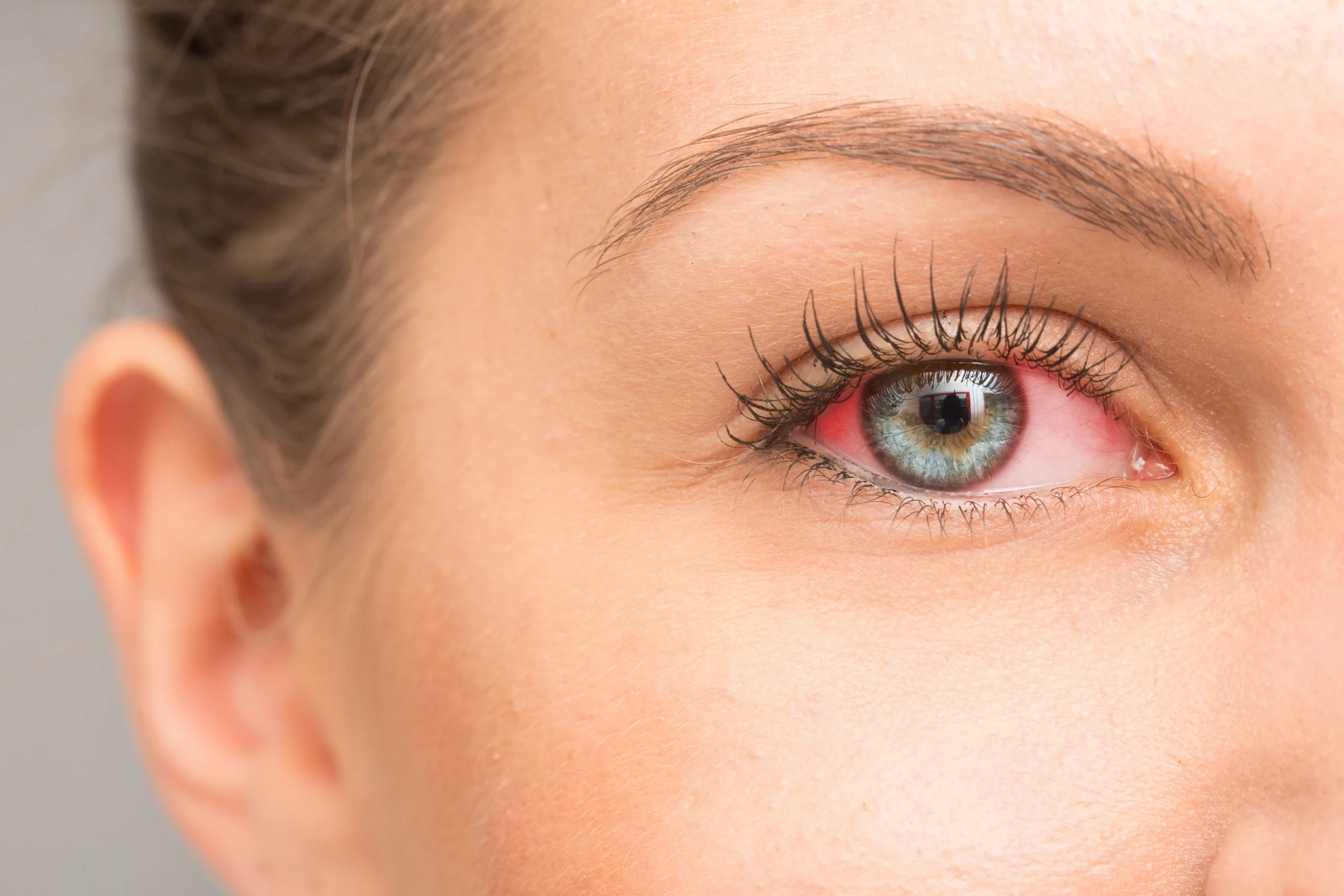
Dry, irritated eyes have a way of sneaking into your routine. At first, it’s minor: a little burning while you scroll at night, a gritty feeling on your commute, or contact lenses that suddenly feel “off.” But if you keep pushing through, those small annoyances can build into bigger problems. A comprehensive eye exam can uncover what’s really driving your discomfort and help you avoid the cascade that often happens when dry eye is ignored.
How dry eye symptoms show up day to day
Dry eye symptoms can sneak up on you. At first, they appear as minor inconveniences due. to:
- Long screen hours and fewer blinks
- Winter heat indoors drying out the air
- Wind, allergies, and outdoor exposure
- Contact lens wear that used to be fine
- Makeup or skincare products irritating the lid margins
Because the triggers feel normal, it’s easy to normalize the symptoms, too, until your eyes start demanding more attention than you can spare.
What’s happening on the surface of your eye
Your tears aren’t just “water.” They’re a layered film that keeps vision clear and the cornea protected. If your tear quality drops or tears evaporate too quickly, the eye’s surface can become inflamed and unstable.
Over time, that irritation can create a cycle:
- Dryness leads to inflammation
- Inflammation disrupts tear production and oil glands
- Tear film becomes less stable
- Symptoms intensify, even in the same environment
What can happen if you ignore dry eye for too long
Here’s the part most people wish they’d known earlier: untreated dryness isn’t only uncomfortable; it can affect how your eyes function day to day.
Common consequences include:
- More frequent flare-ups: Symptoms can shift from occasional to constant, with bad days that linger.
- Blurrier, fluctuating vision: Your tear film is your eye’s “windshield.” When it breaks up, vision can smear or pulse in and out of focus.
- Light sensitivity and headaches: Squinting and eye strain can creep into work, driving, and screen time.
- Redness and irritation that won’t quit: Chronic inflammation can make your eyes look and feel tired, even after rest.
- Increased risk of surface damage: In more advanced cases, the cornea can develop tiny areas of breakdown that sting and take longer to heal.
- Contact lens intolerance: Lenses may start feeling dry, tight, or impossible by mid-day.
How an experienced eye doctor can help
Dry eye is a diagnosis with multiple causes, and the best dry eye treatment depends on the “why.” An eye doctor can evaluate your tear film, eyelids, oil glands, and the health of your cornea to figure out what’s driving the problem.
A personalized plan may include:
- Targeted at-home routines (warm compresses, lid hygiene, environmental tweaks)
- Prescription options when inflammation is part of the picture
- In-office therapies designed to improve oil gland function
- Guidance on contact lens changes or daily wear strategies
The biggest benefit? Instead of chasing discomfort, you’re supporting healthier eyes long-term.
Protect your comfort and clarity before it becomes a daily struggle
Dry eye tends to be easier to manage the earlier you address it. If you’ve been living with persistent dry eye symptoms, a thorough evaluation can identify what’s driving them and match you with dry eye treatment that fits your routine and goals. Schedule an appointment at SIGHT in West Hartford, CT to get answers and get back to feeling comfortable in your own eyes.