
If your child can read the whiteboard and breeze through books at home, you may assume everything is fine. But a pediatric eye exam can often uncover issues that don’t show up as obvious vision problems. Kids are pros at adapting: they squint, move closer, avoid certain activities, or may assume that headaches and tired eyes are “normal.”
Regular eye exams aren’t just about getting glasses. They’re about protecting comfort, learning, and long-term vision while your child’s visual system is still developing.
What kids don’t always tell you (and what parents can miss)
Children often don’t have the language to explain what they’re experiencing. And many vision problems are “two-eyes” problems, meaning one eye can compensate for the other.
A child might pass a quick school vision screening and still struggle with eye problems that affect everyday life, like:
- Eye strain or headaches after reading
- Losing their place on the page or using a finger to track
- Avoiding puzzles, coloring, or reading for long
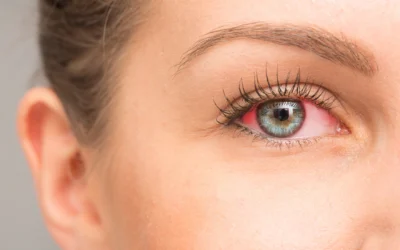
- Rubbing eyes, blinking a lot, or squinting in photos
- Short attention span during near work (even if they’re bright and motivated)
- Motion sickness or trouble catching a ball
These aren’t character traits. Sometimes they’re signs of underlying conditions.
School screenings are helpful, but they’re not a full exam
School vision screenings can catch some concerns, but they’re limited. They typically focus on distance vision, like what your child sees across a room. They usually miss problems with:
- Eye teaming (how the eyes work together)
- Tracking (how eyes move across a line of text)
- Focusing stamina (keeping clear vision up close)
- Depth perception and sensory processing
- Early eye health concerns that require a closer look
A comprehensive eye exam can help bridge the gap between “my child sees fine” and “my child is worn out after homework.”
Myopia can progress quietly—and earlier care is key
One of the main reasons kids need regular eye exams is myopia management. Nearsightedness often starts subtly. Your child may still see well enough to function, but their eyes might be working harder than they should, or their distance vision may be slowly slipping.
Myopia tends to progress throughout childhood, and higher levels are linked to increased lifetime risks for certain eye conditions. Catching myopia early gives your child more options—and gives you more peace of mind.
Depending on your child’s age, prescription, and lifestyle, an eye doctor may discuss tools that can help slow progression. They may also share lifestyle habits that support healthy vision (like outdoor time and smart screen routines).
What a pediatric eye exam looks for
A kid-friendly exam is about more than reading the letters off an eye chart. It looks at how your child’s eyes function together and how their vision supports learning and play.
A typical pediatric exam may include:
- Prescription check (distance and near)
- Eye alignment and teaming
- Focusing ability and flexibility
- Eye movement and tracking skills
- Depth perception and visual development
- An overall eye health evaluation
- An assessment to see if vision therapy is needed
It’s reassuring for parents because you leave with clarity—either confirmation that things look great, or a plan that makes school, sports, and reading feel easier.
Help your child see clearly now and in the future
Regular eye exams can support how your child reads, plays, and feels day to day, not just what they can see on a chart. If you’re ready for clear answers and a plan that fits your child, schedule an appointment at SIGHT in Farmington for a pediatric eye exam. Our trusted eye doctors will help you find a plan that works for you and your family.